I arrived in Sarajevo with little-to-no knowledge of the city. In my head, I thought I had something of the war but in reality I didn’t know much beyond a vague outline of the events. I left feeling much better informed. Some aspects of the visit were quite harrowing, especially the visit to the genocide and war crimes museum. I found quite alarming how little I did know about the war, a sentiment echoed by most of my fellow travellers, albeit that they were mostly much younger. It’s certainly something I intend to read more about in near future
One of the most striking things about the visiting Bosnia and Hertzovoginia was the fact that with the war being so recent there were so many people around who had lived through it and had personal experiences to share.
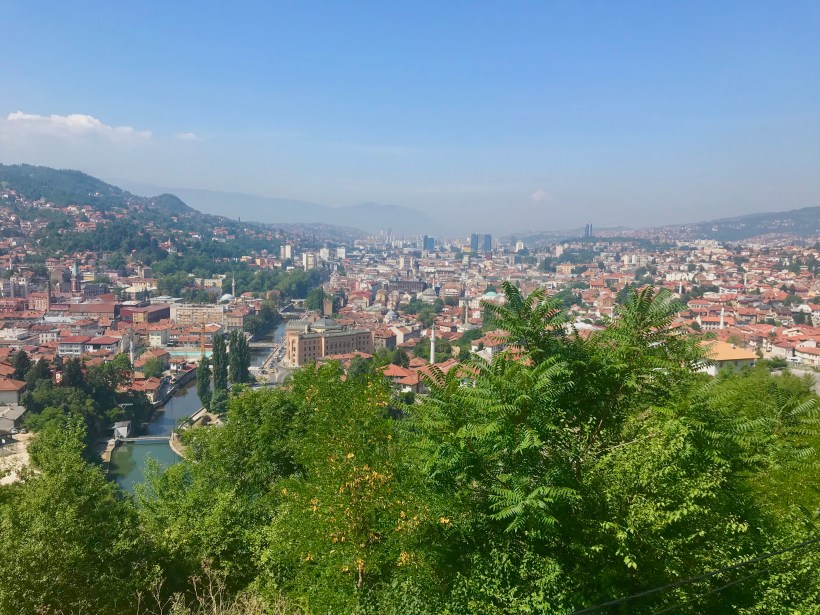
Sarajevo itself was architecturally split in two with the east side largely showing the influence of Ottoman Empire and the west side the Austro-hungarian empire, and of course remnants of the communist era Yugoslavia. There was in fact a dividing line where you could see the divide:
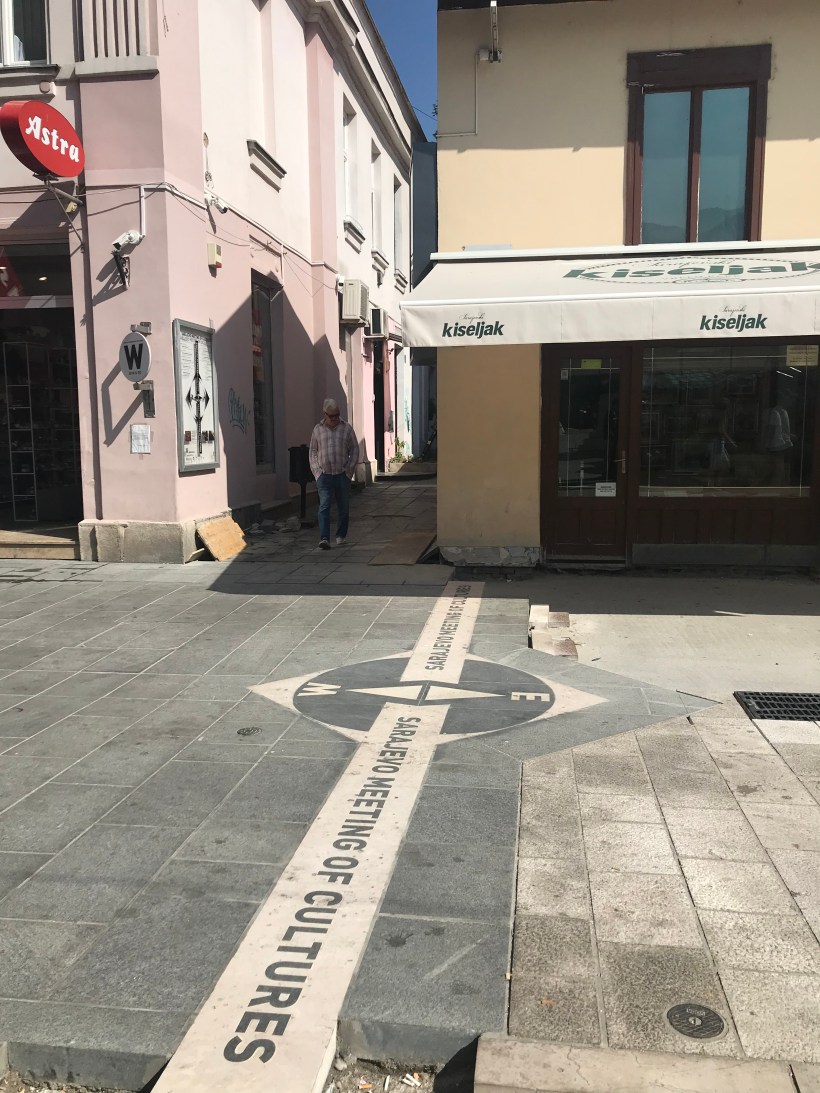
That being said the city seemed very integrated and at the centre of town you found the main Mosque, Cathedral and Synagogue within a few minutes of each other.
My favourite part of the city was the old Ottoman market area with countless little shops and stalls selling little trinkets, coffee sets and hand crafted metal ornaments, as well as the usual tourist tat.
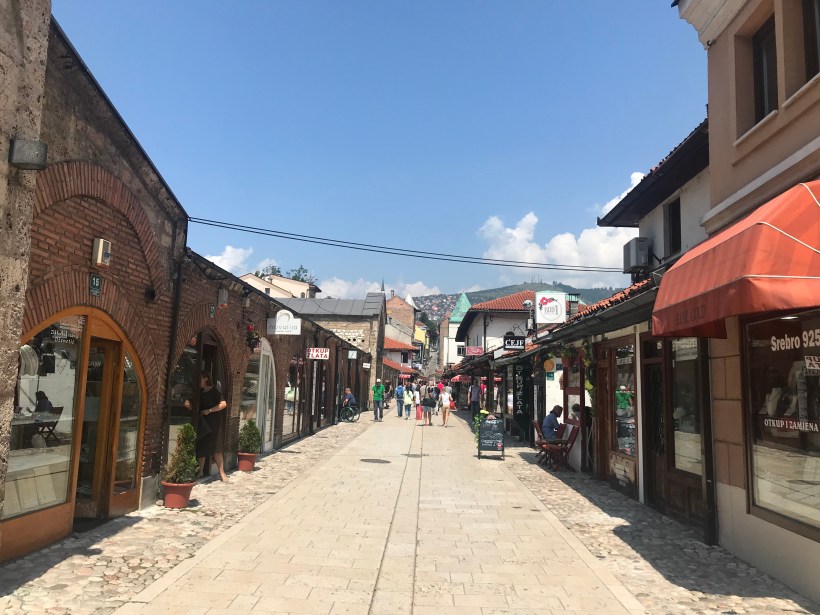
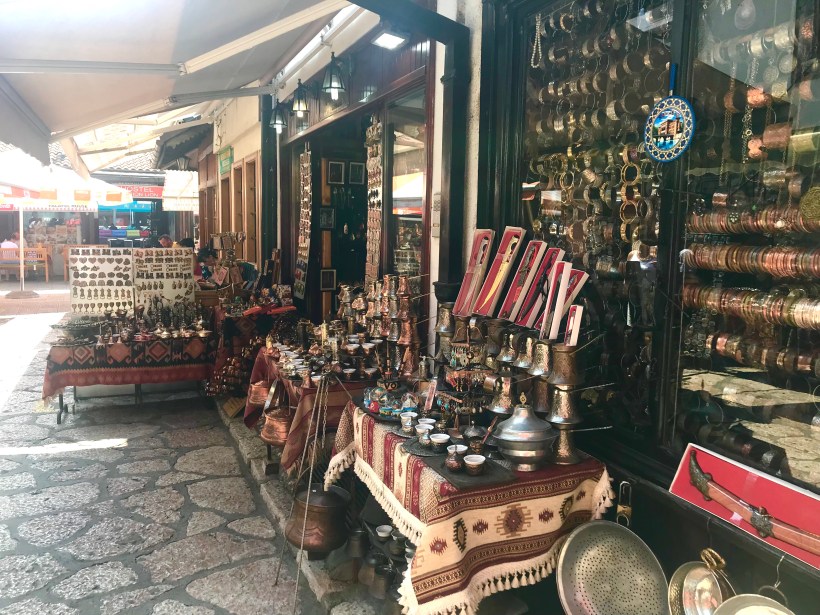
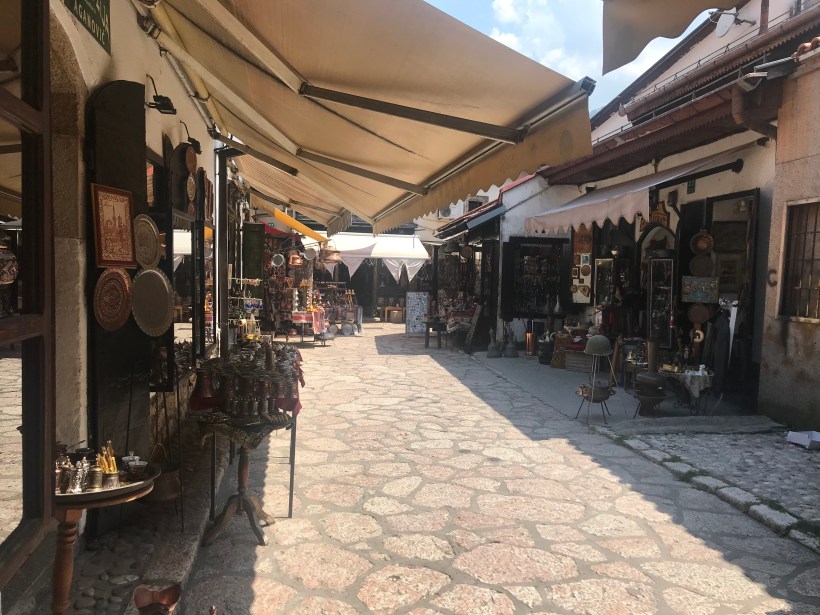
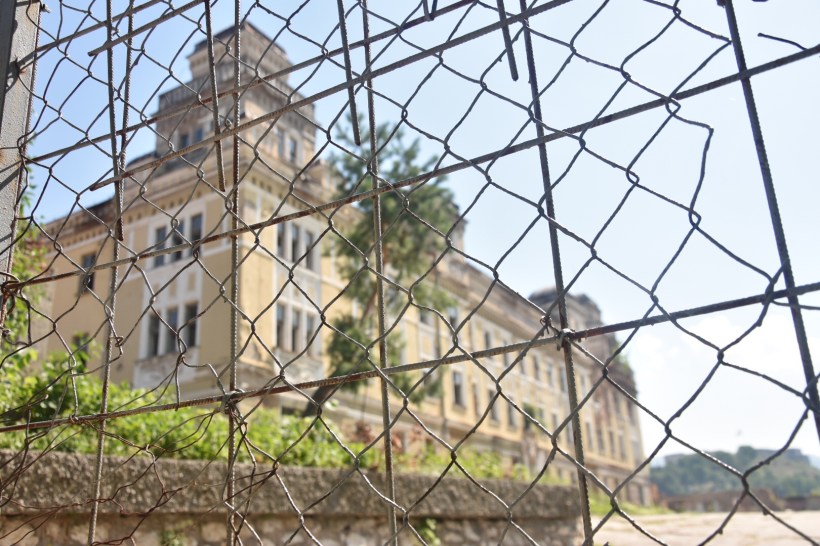
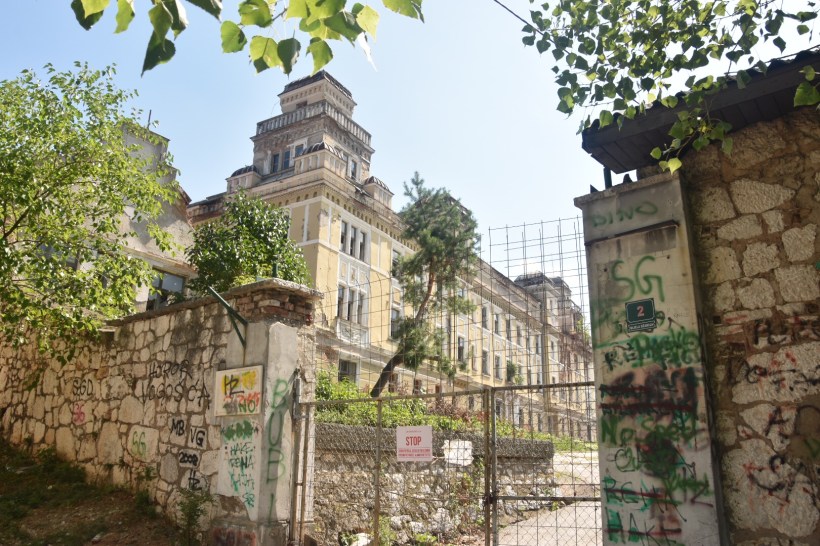
I also ventured up to the Yellow fortress on top of one of the main hills, now derelict due to lack of funds to restore it. Was a bit of slog getting up there in the heat but worth it for the views at the top
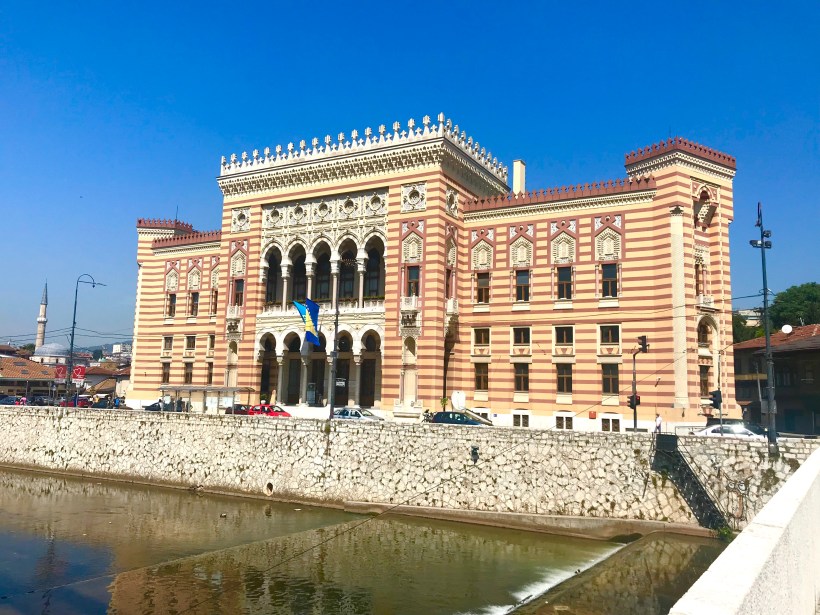
The city hall built in the Ottoman style
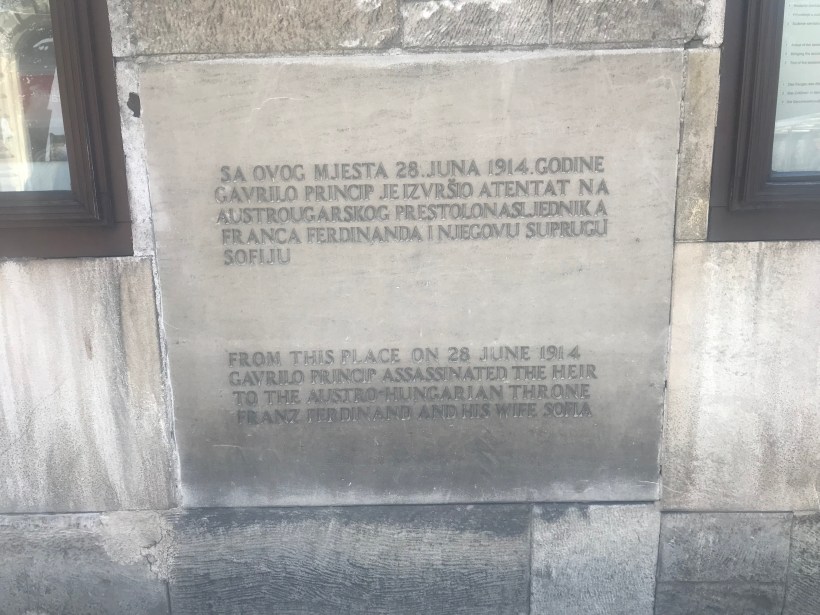
No caption required
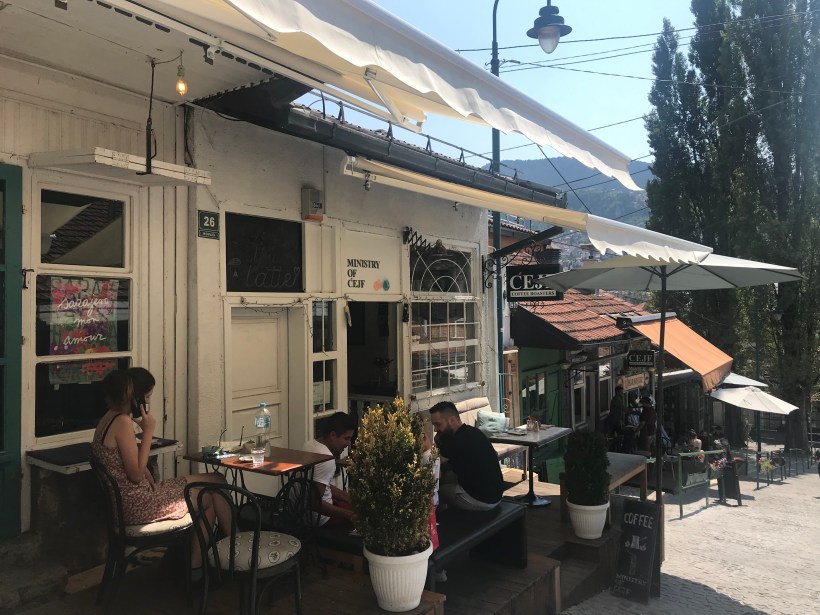
Ministry of Cejf – worth a visit if you ever visit and are in need of a proper coffee
 Wandering Henry